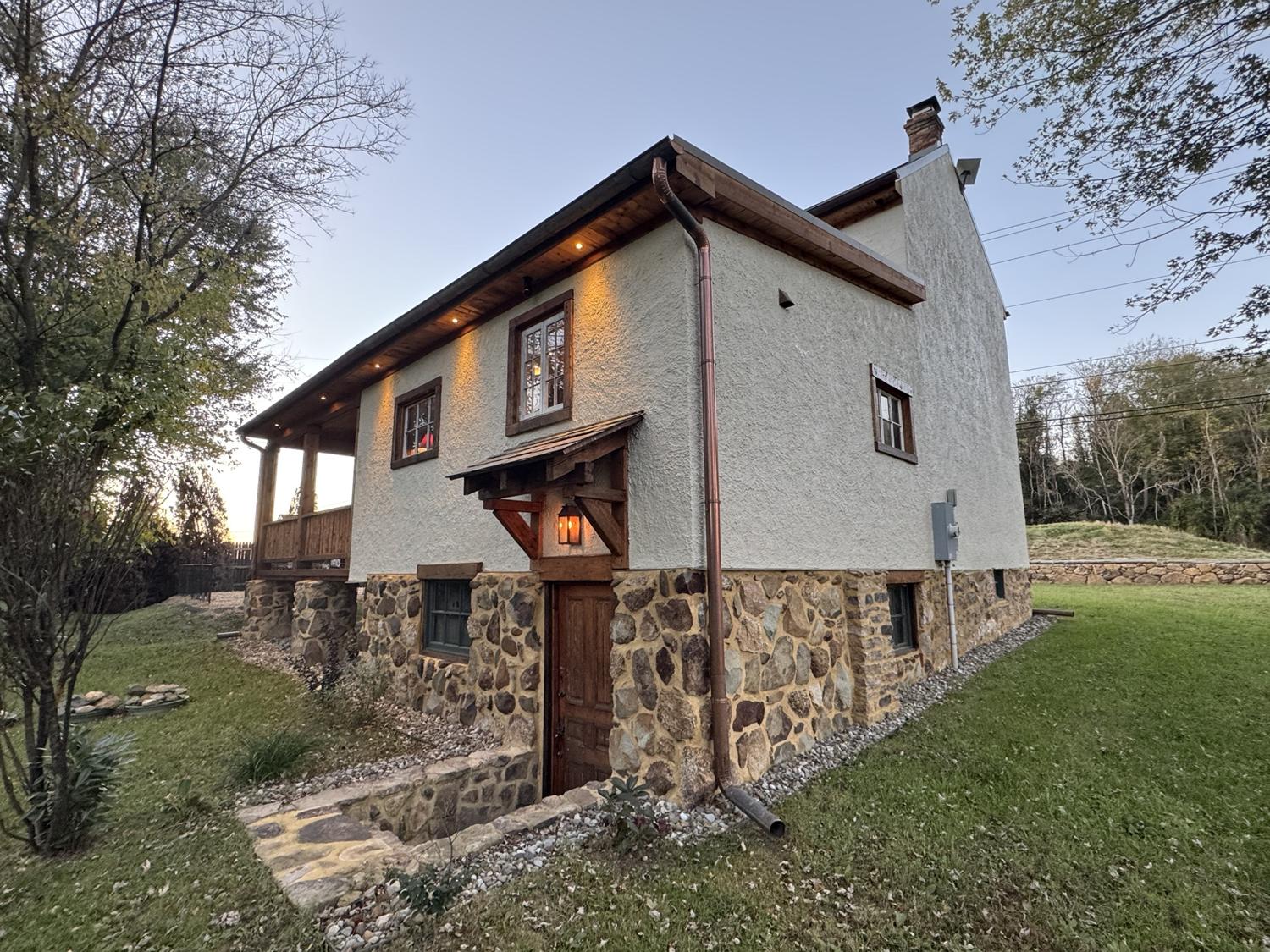
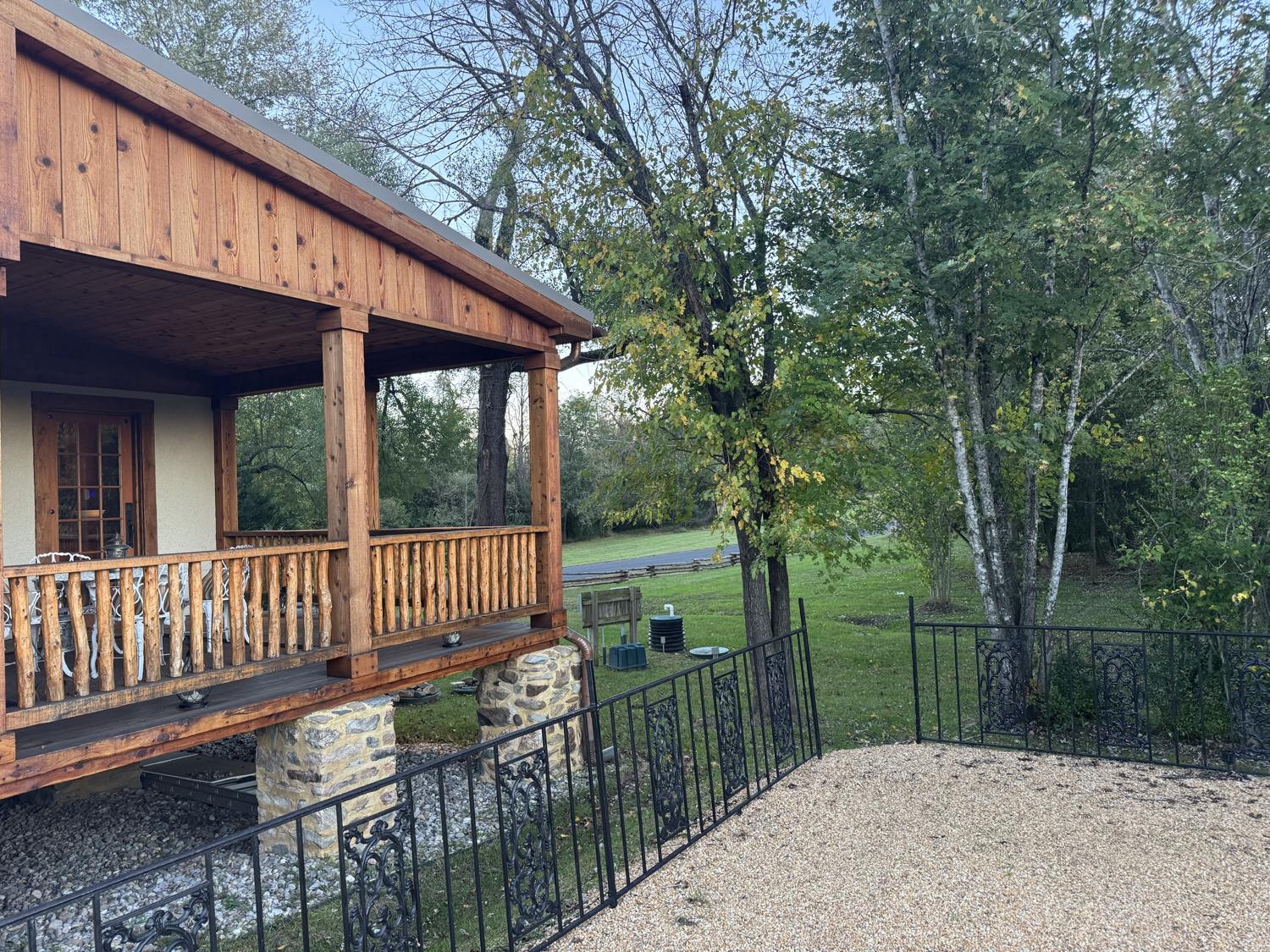
The Spindle House

A fieldstone house on the old turnpike, where the lamps are lit and the war is still on the walls. Local history places General Custer’s headquarters here in the summer of 1863. Tonight, the house is yours.

Custer’s Michigan Brigade camped in Amissville, summer of 1863Fieldstone foundation and original wallOpen to overnight guests

A house that remembers


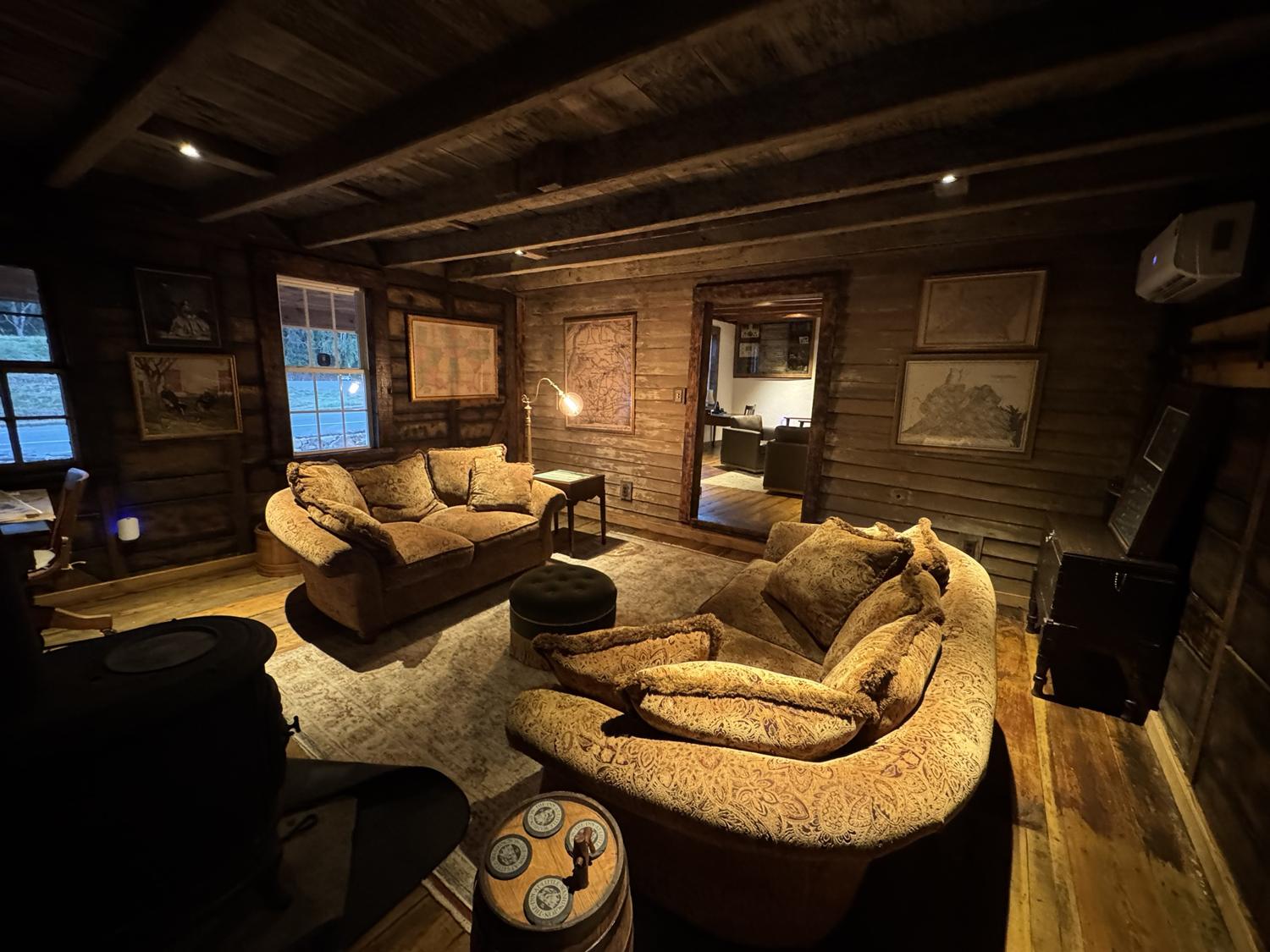
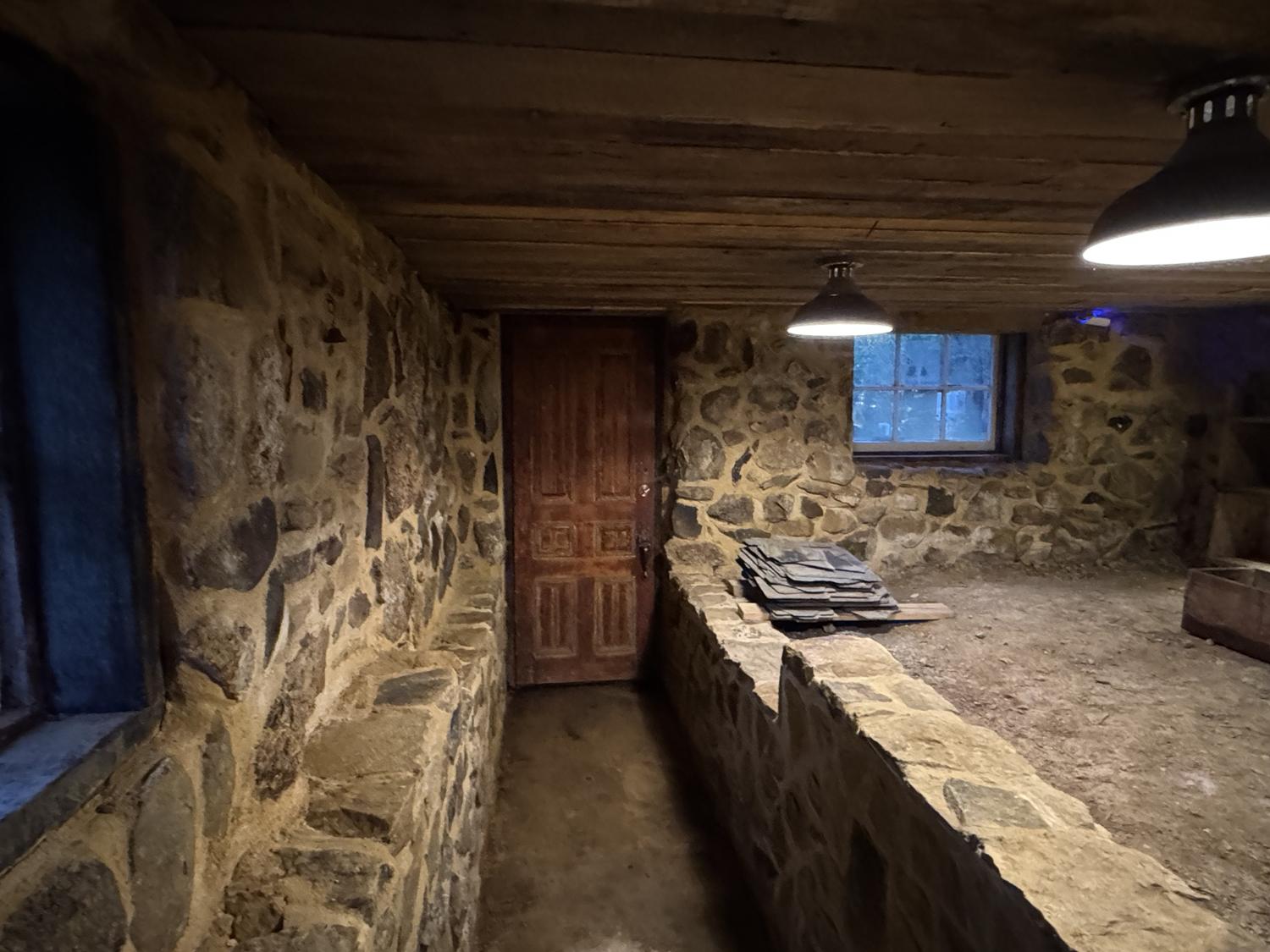
The Spindle House has stood on Lee Highway since before the war, on a foundation of local fieldstone, under beams cut by hand. We have furnished it as it would have been, and filled its glass cases with what the war left behind.

You are not visiting an exhibit. You are staying in the house. Read the placards over coffee, write at the desk by the window, and in the evening walk the road the cavalry rode.

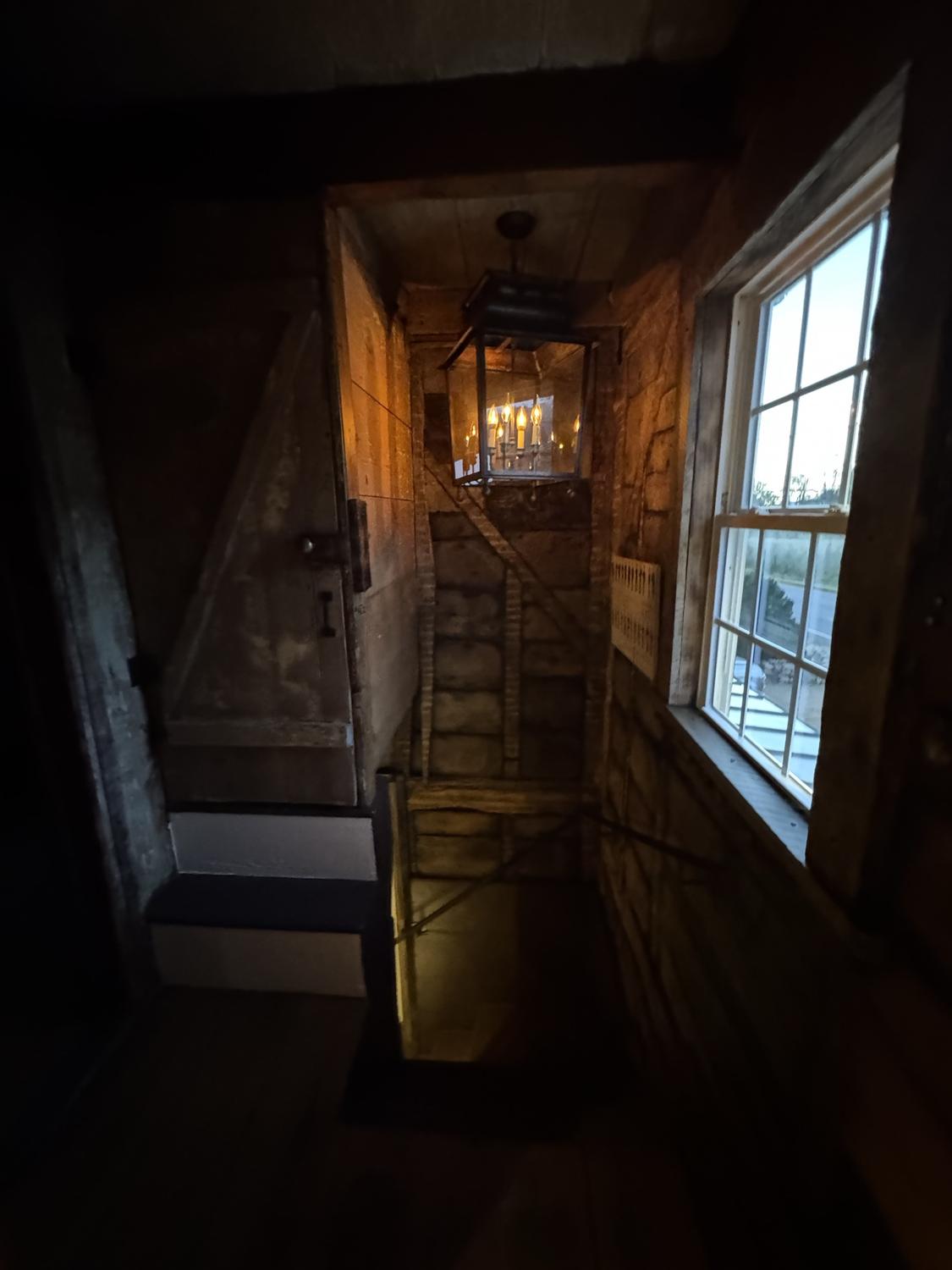
  • Stone and timberA foundation of fieldstone, beams cut by hand, and floors of wide pine worn by more than a century of boots.
  • Cases of the warBullets, letters, portraits and a section of the original wall, each with a placard that tells you what it is.
  • A place in the storyThe village where Custer’s Michigan Brigade camped in 1863 is the village where you wake.

What this ground has seen


The village

Where three counties meet

Amissville began in the mid-1700s, on land granted by Lord Fairfax. The Amiss and Bayse families bought it up, and when the settlers asked for a post office they found they had no name for the place. Local tradition says the landowners put it to a vote, and that the Amiss family won by a single vote. By 1810, Thomas Amiss was postmaster.

The village grew along the Sperryville–Rappahannock Turnpike, today’s Lee Highway, which carried farmers’ wagons toward the river and the markets beyond. When Shenandoah National Park opened in 1935, travelers heading home filled its tourist courts and tea rooms. In the 1970s the road was widened to four lanes, and many of the old buildings were moved or lost. The Spindle House is still here.

The summer of 1863

Custer comes to Amissville

After Gettysburg, thousands of Confederate troops fell back through Chester Gap toward Culpeper, and Union cavalry followed. Brigadier General George Armstrong Custer and his Michigan cavalry and artillery camped at Amissville. From there they pushed toward Battle Mountain, five miles west, met the Confederate army moving through in strength, and withdrew to camp. The mountain is named for the Battle family, not for the fight.

A 2014 Rappahannock News feature says this house may have been the headquarters of Custer’s Michigan Brigade that summer, and that local men gathered here to join the 49th Virginia Infantry early in the war. Both stories belong to the house’s local tradition. We are still searching the records for the documents that settle them, and we will tell you what we find.

A story from the same ground

Eliza Brown

Eliza Brown was enslaved on a farm near Amissville. When Custer’s cavalry came through, she became his cook and servant, traveling with the household in a kitchen wagon of her own and, the marker says, sometimes cooking under fire. Libbie Custer wrote of her in Tenting on the Plains. After the war Eliza went west with the Custers, then married Andrew Jackson Davison, a lawyer, and made her life in Athens, Ohio.

Her story is told on a Civil War Trails marker beside Lee Highway at View Town Road.

Sources: Rappahannock News, Oct. 8, 2014; Foothills Forum, June 2022; Virginia Civil War Trails; Libbie Custer, Tenting on the Plains (1887).
The collection


Every room holds a glass case, and every case holds a piece of the war: a bullet from a field you can name, a letter in a steady hand, a face from a tintype. Each carries a placard. Take your time, and tap any photo to see it full size.

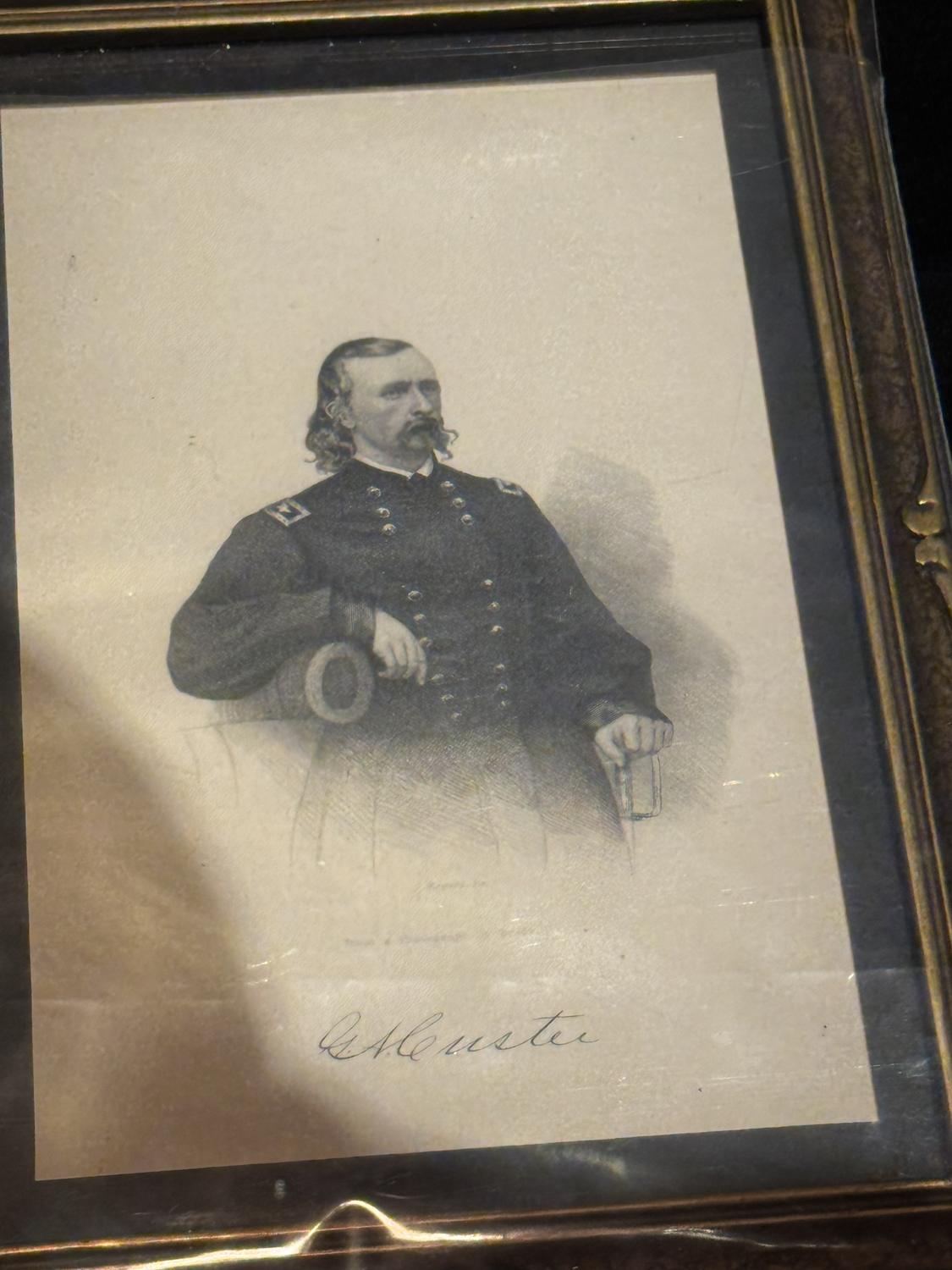
Framed engraved portrait of General Custer with a signature

General Custer

Engraved portrait with a signature, in a gilt mount.

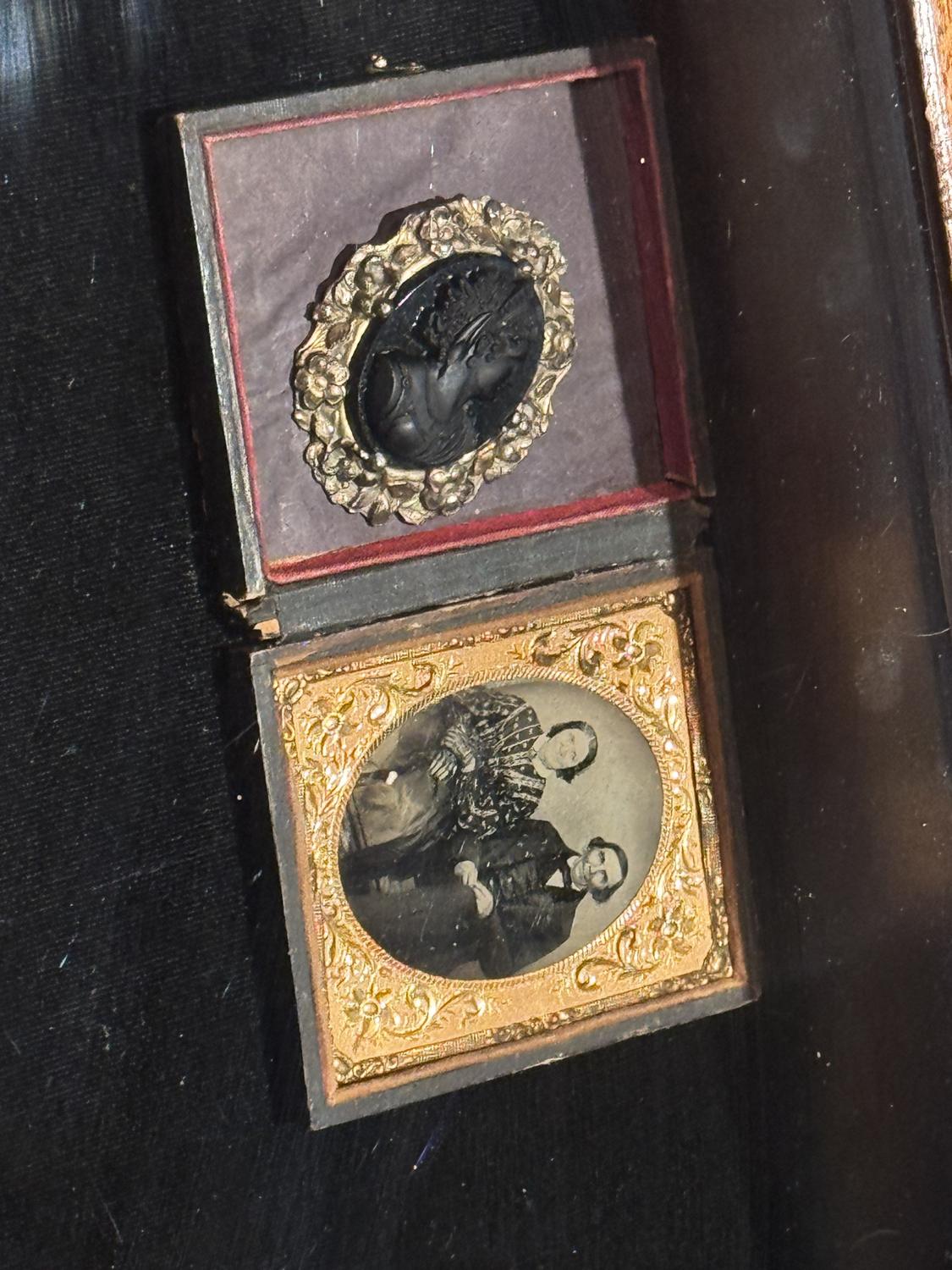
A cased tintype of a couple beside a cameo brooch

Tintype and cameo

A cased portrait of a couple, shown with a cameo brooch.

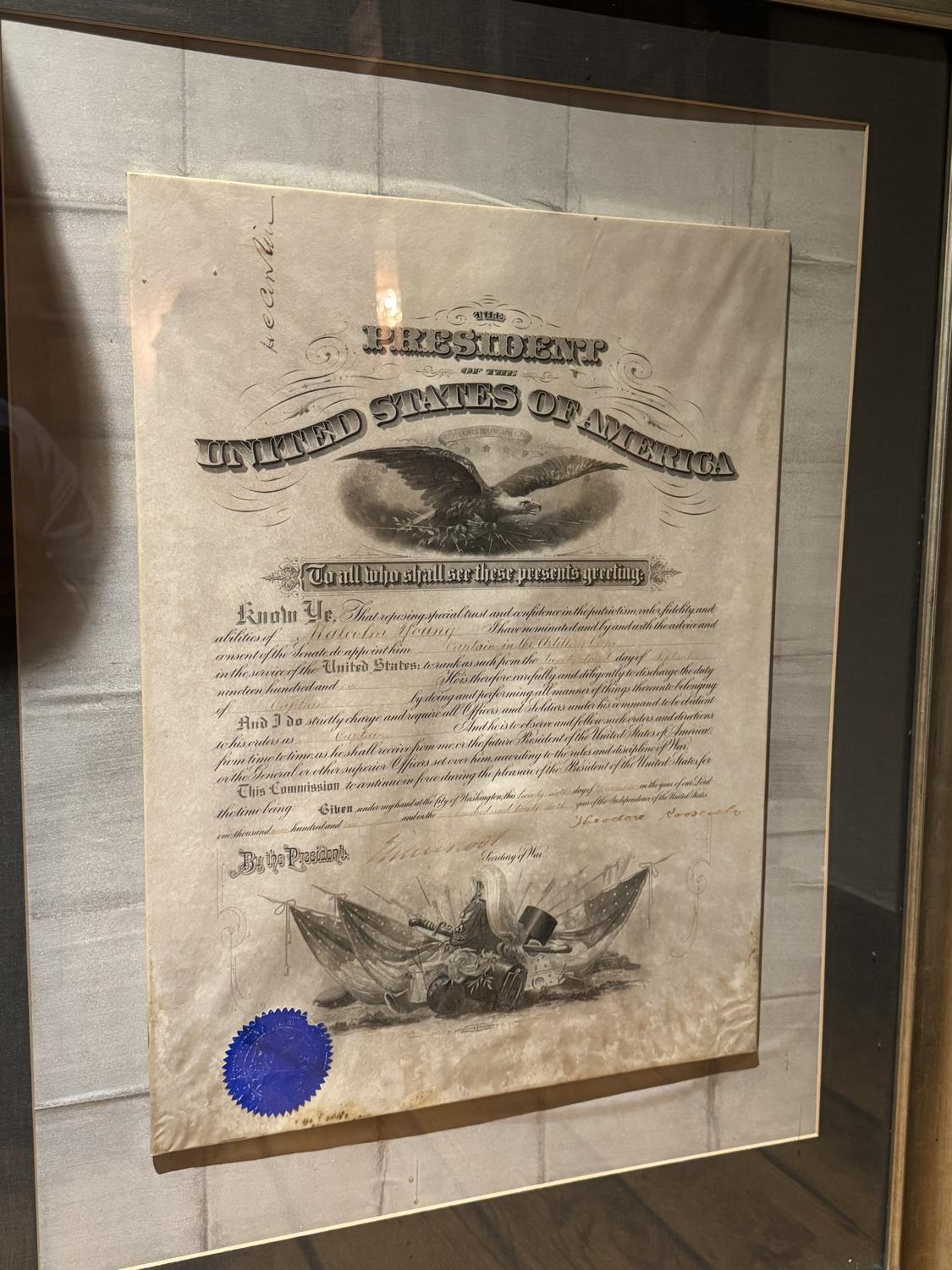
A presidential military commission with a blue seal

Captain’s commission

An Artillery Corps commission signed by Theodore Roosevelt.

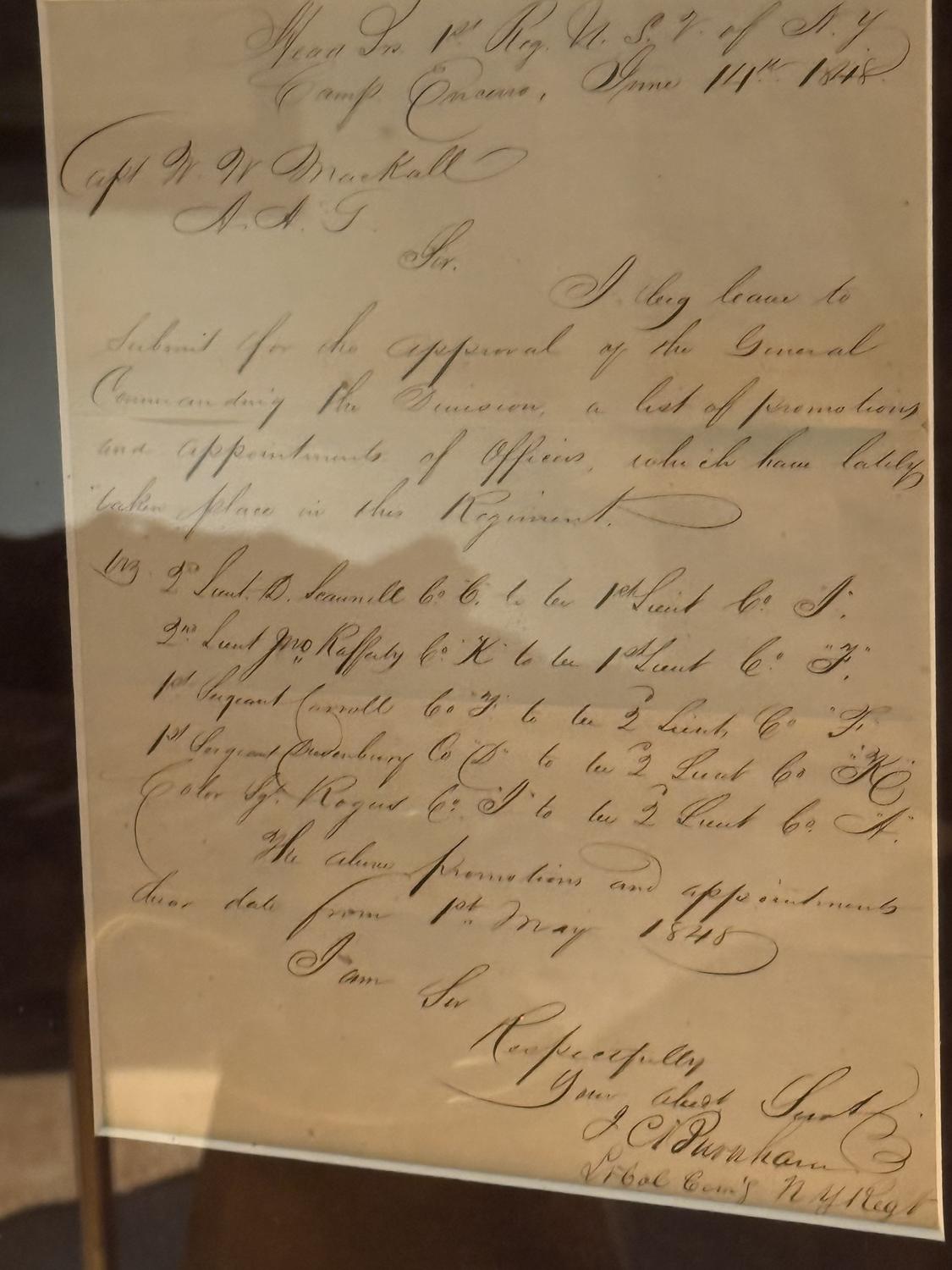
A framed handwritten military letter

A letter from 1848

A handwritten military letter from June 1848, years before the war began.

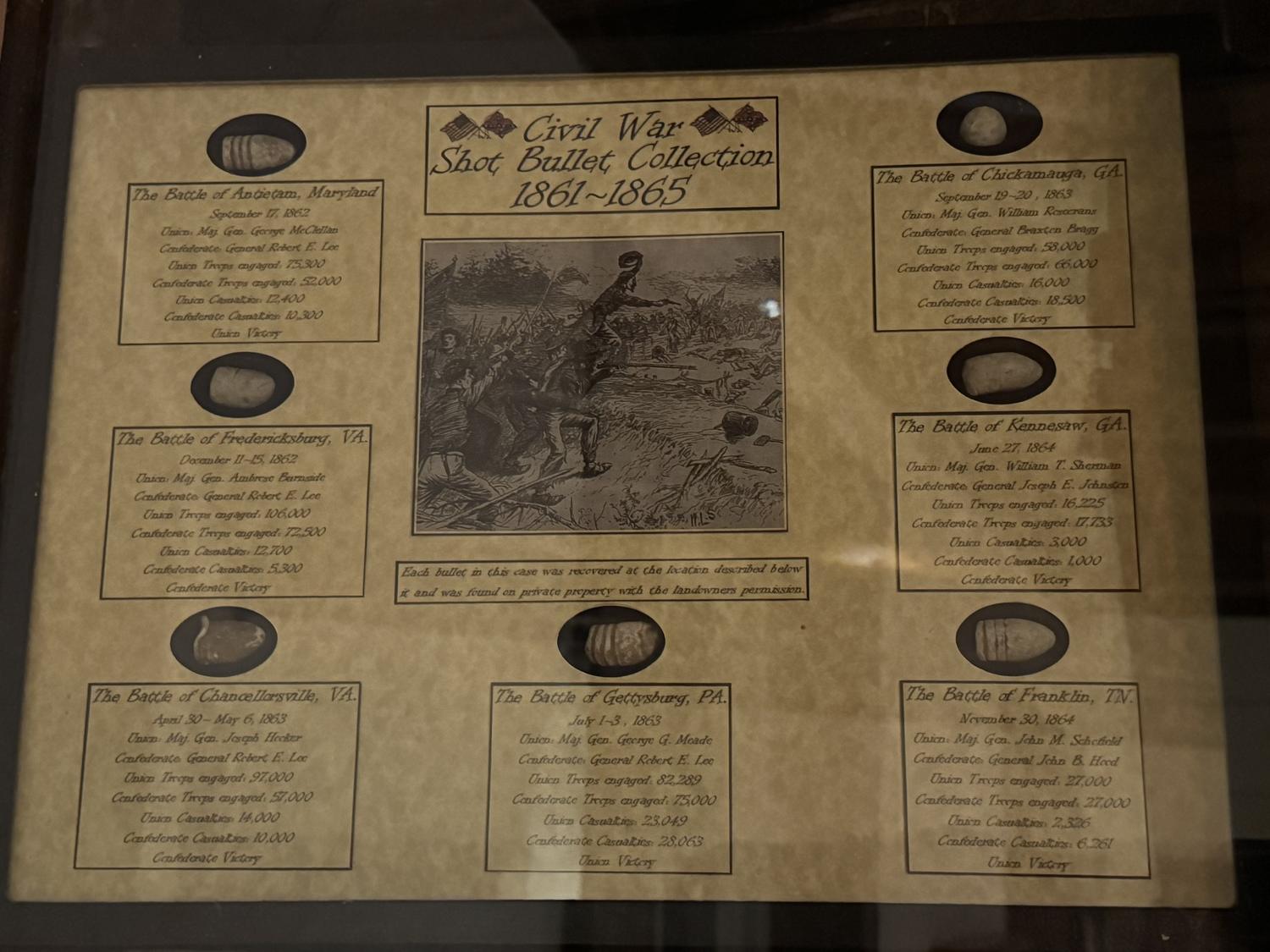
Framed bullet collection with a description of each battle

Seven battlefields

One bullet from each of seven battlefields: Antietam, Fredericksburg, Chancellorsville, Gettysburg, Chickamauga, Kennesaw and Franklin.

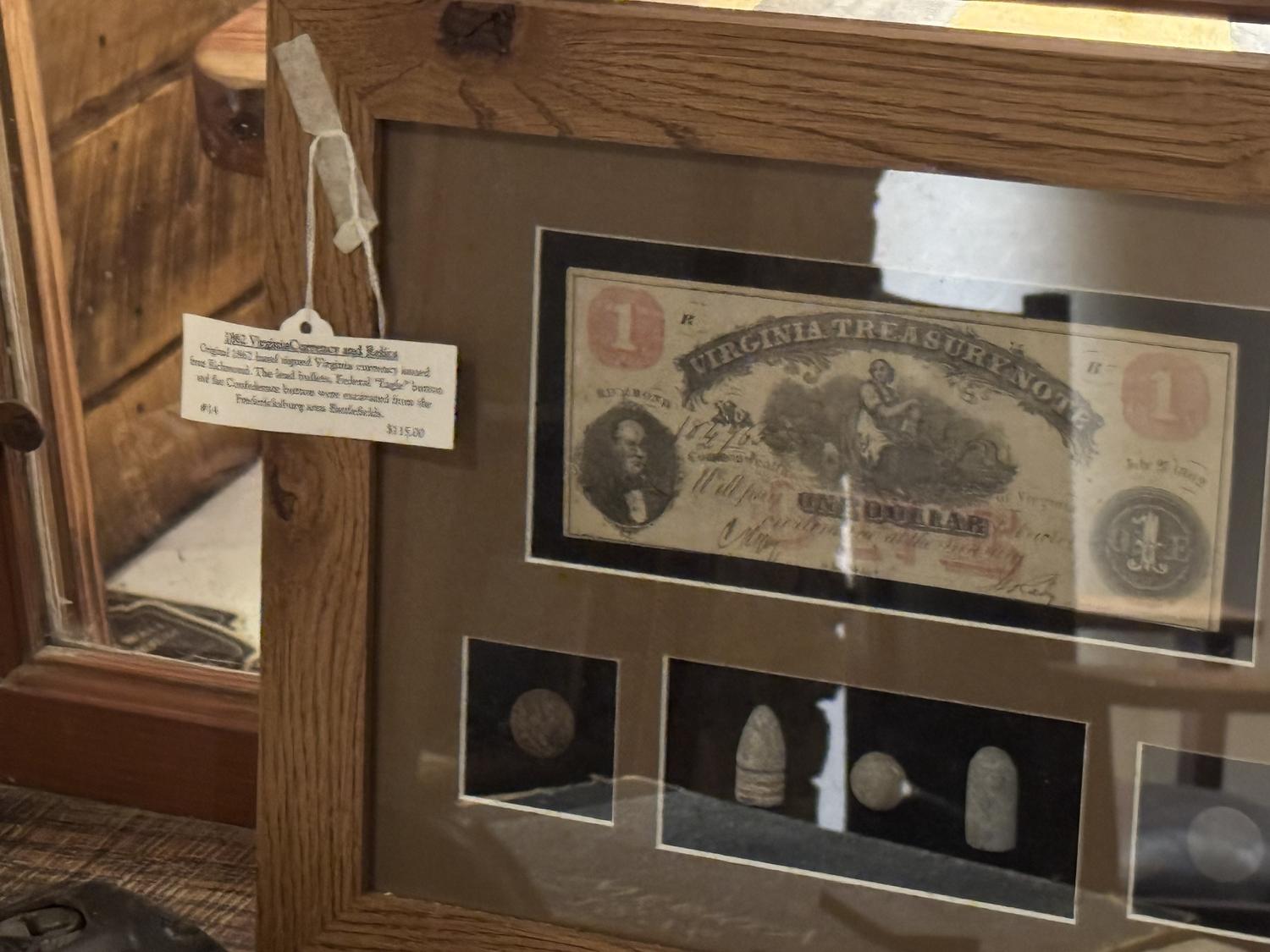
A Virginia Treasury Note framed with excavated bullets and buttons

Virginia Treasury Note

An 1862 note framed with bullets and buttons dug in the Fredericksburg area.

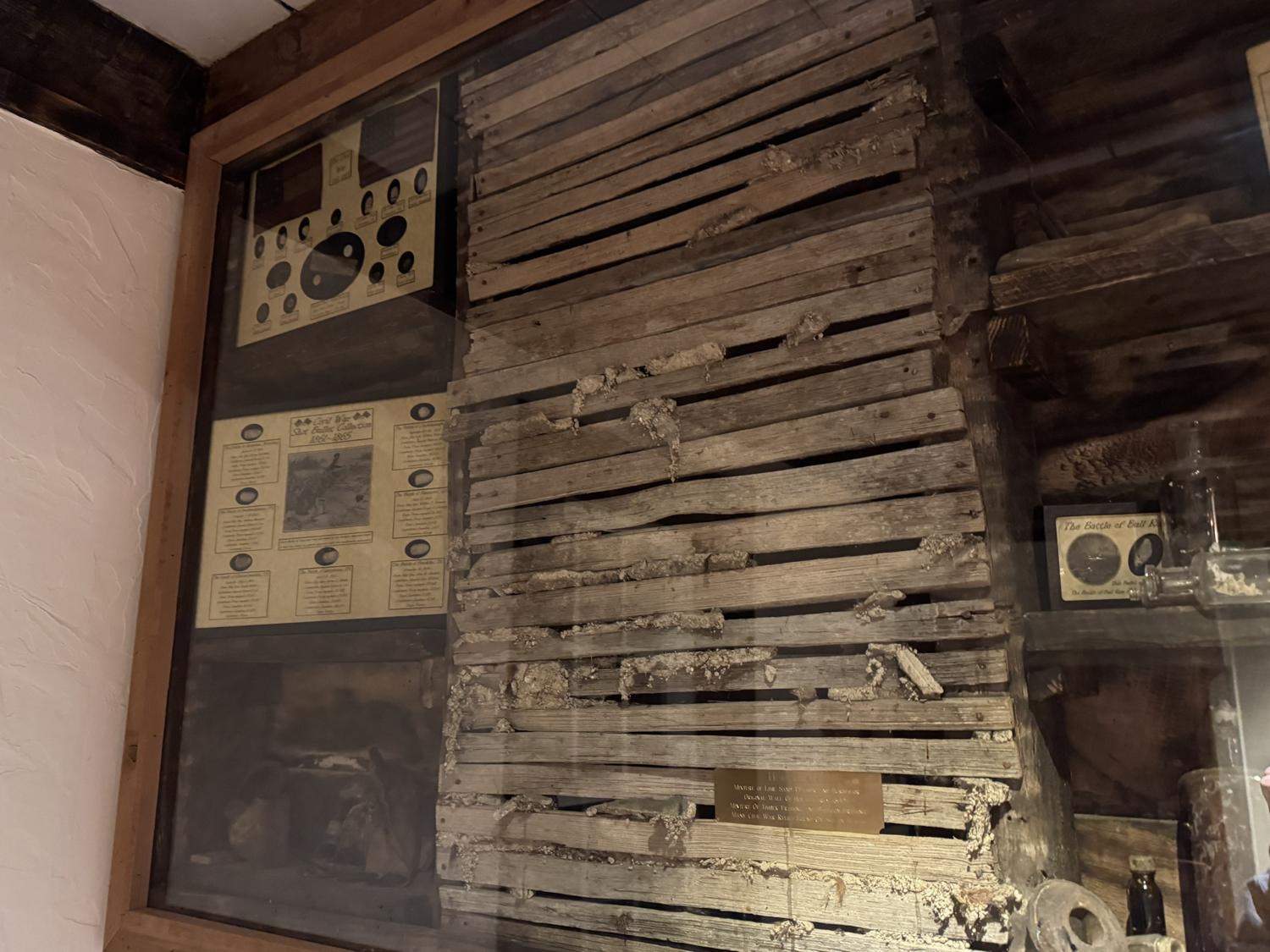
A section of original lath wall preserved behind glass

The original wall

A section of the house’s own lath and lime plaster, kept behind glass so you can see how the walls were built.

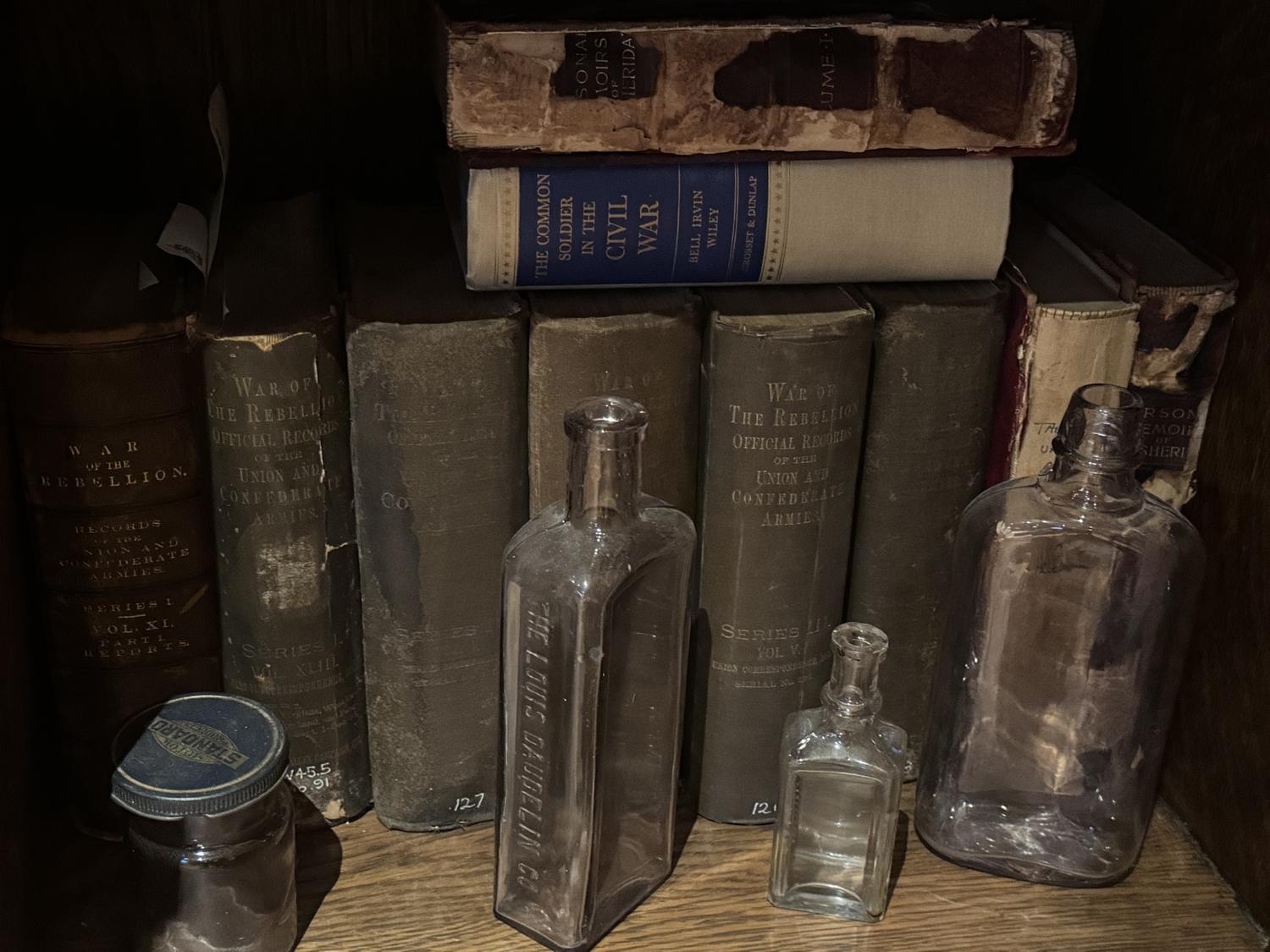
Shelf of War of the Rebellion volumes with period bottles

The Official Records

Volumes of The War of the Rebellion, with period bottles.

The stay


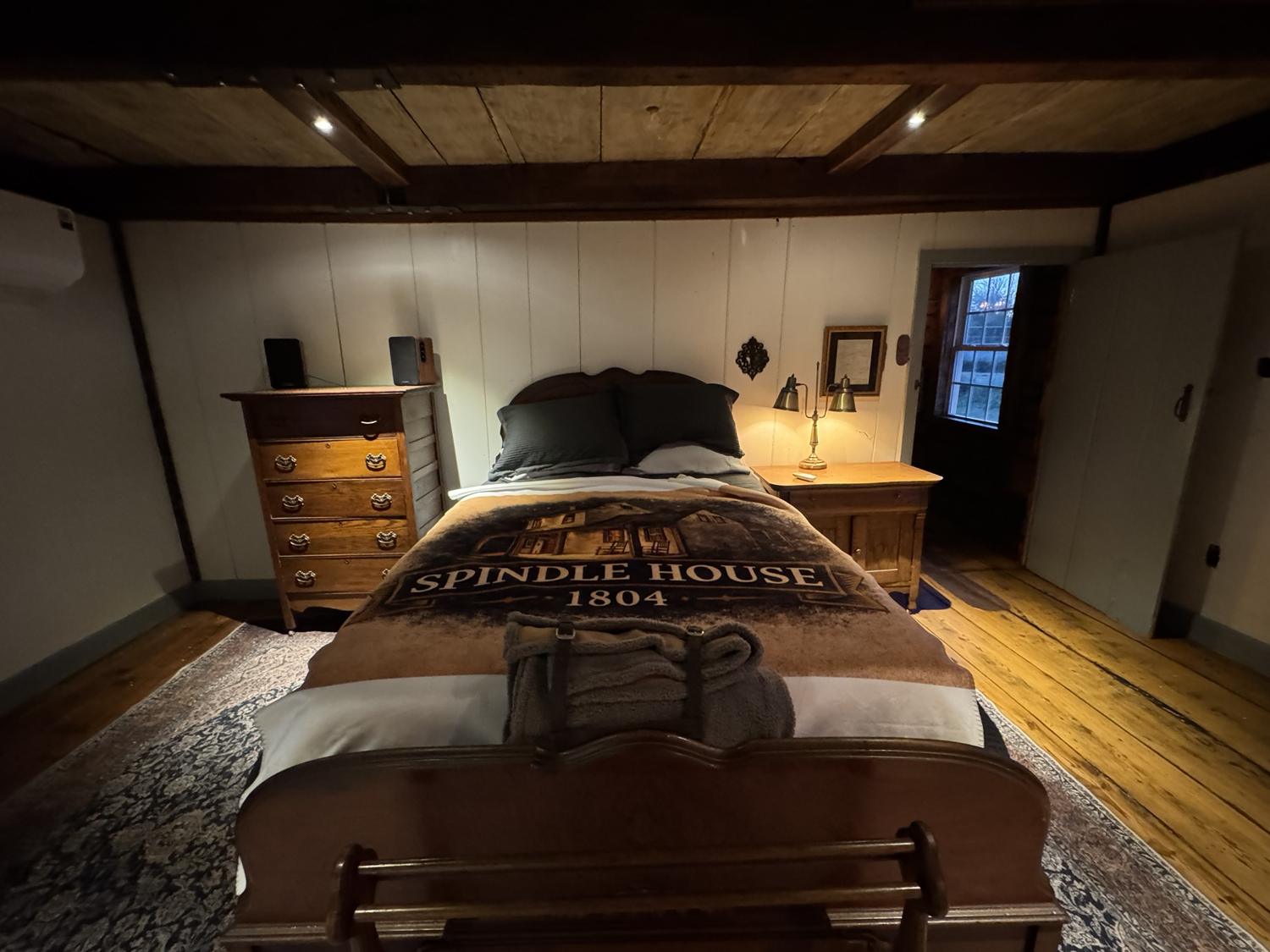
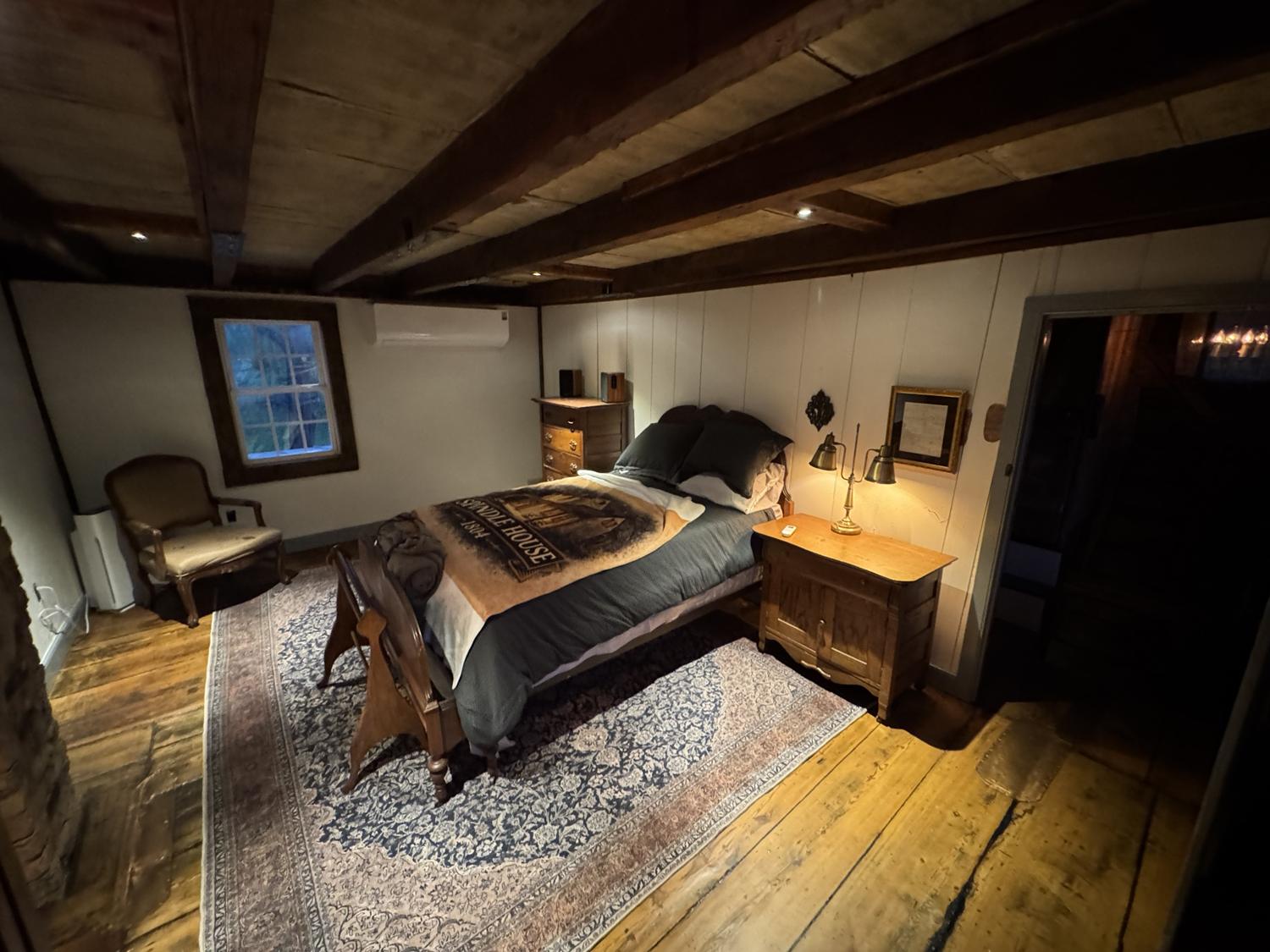
Sleep under a quilt stitched with the name of the house and the year, in a room of heavy beams and wide pine boards, with a lamp glowing on the desk.

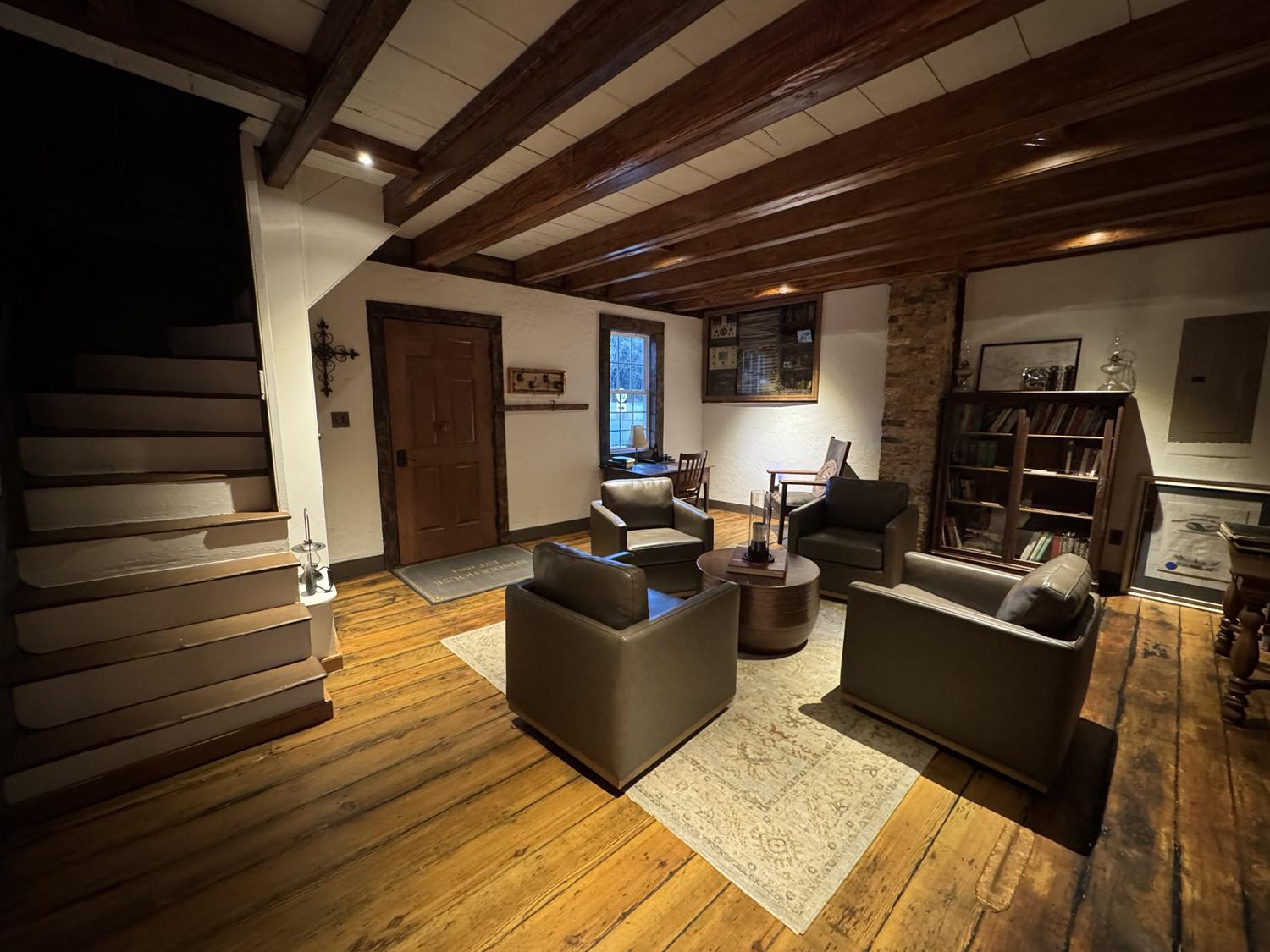
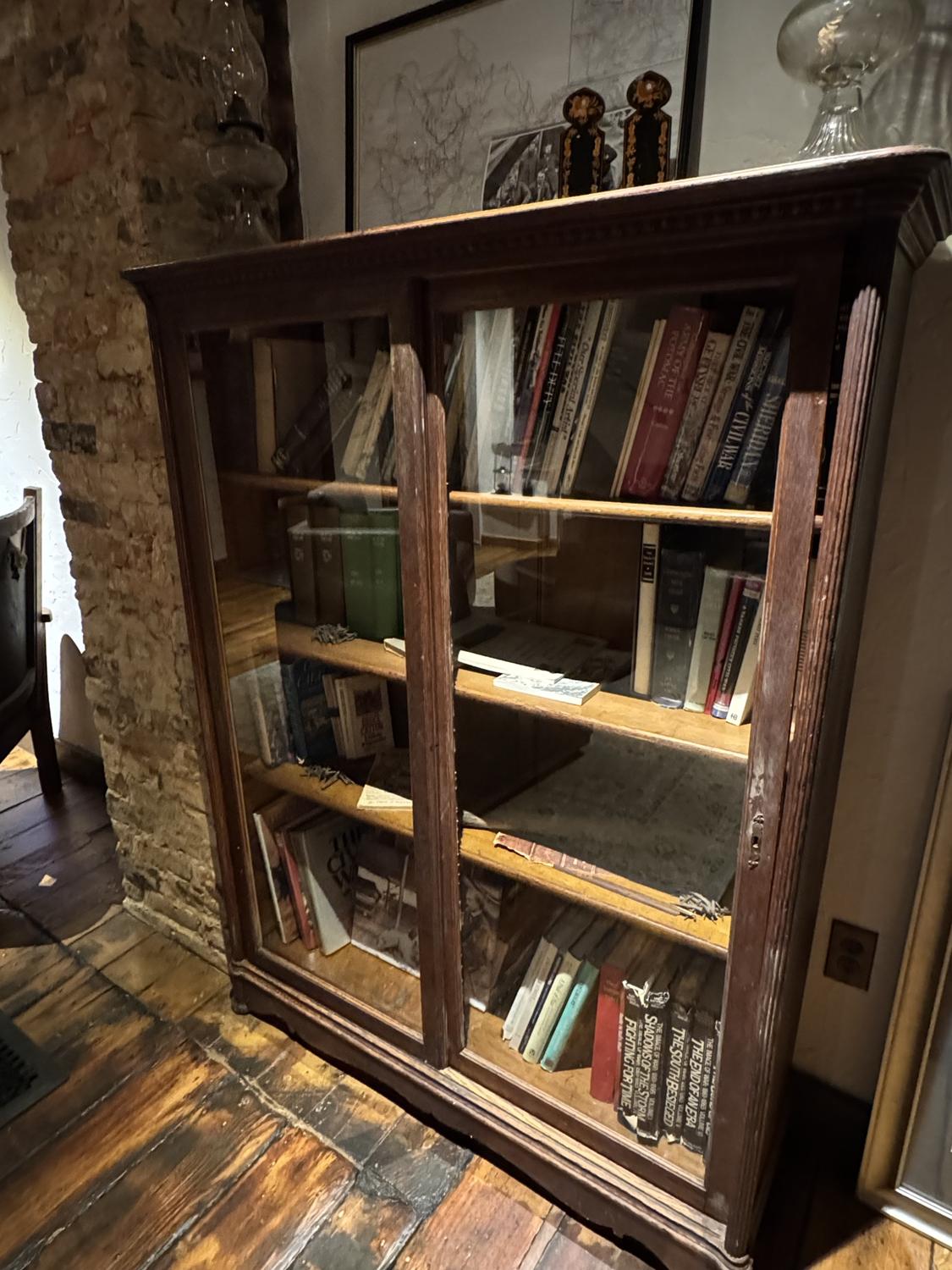
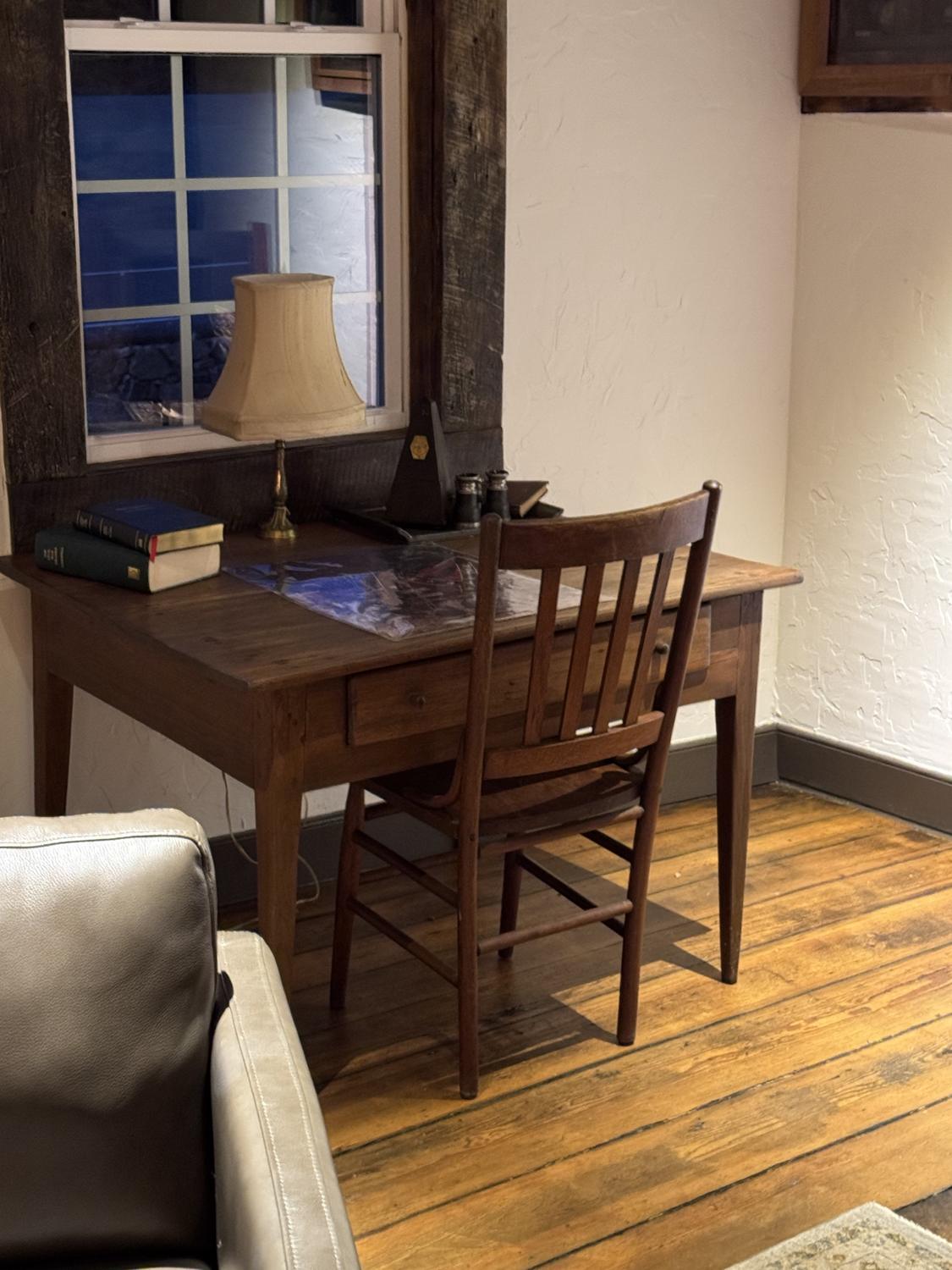
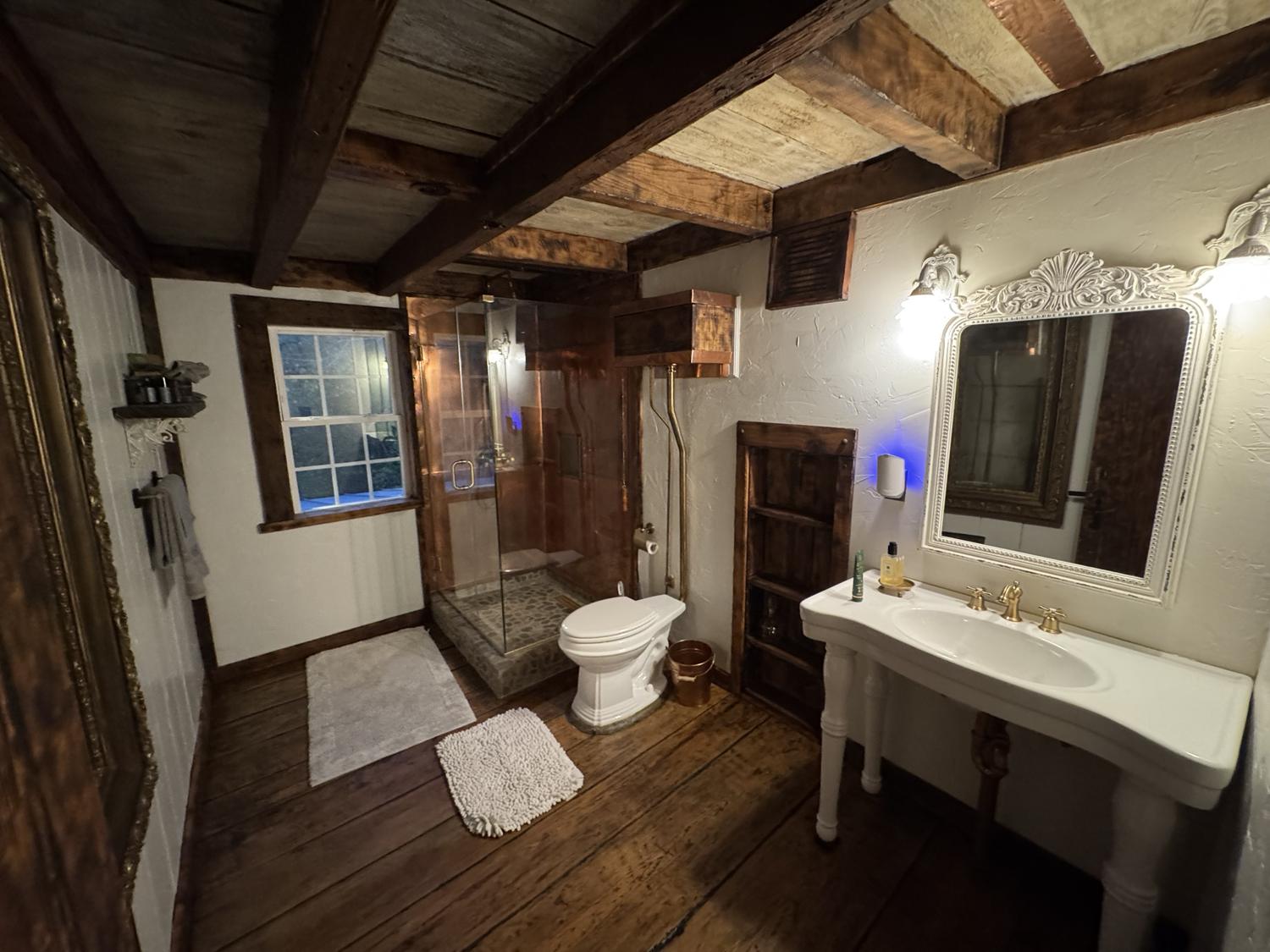
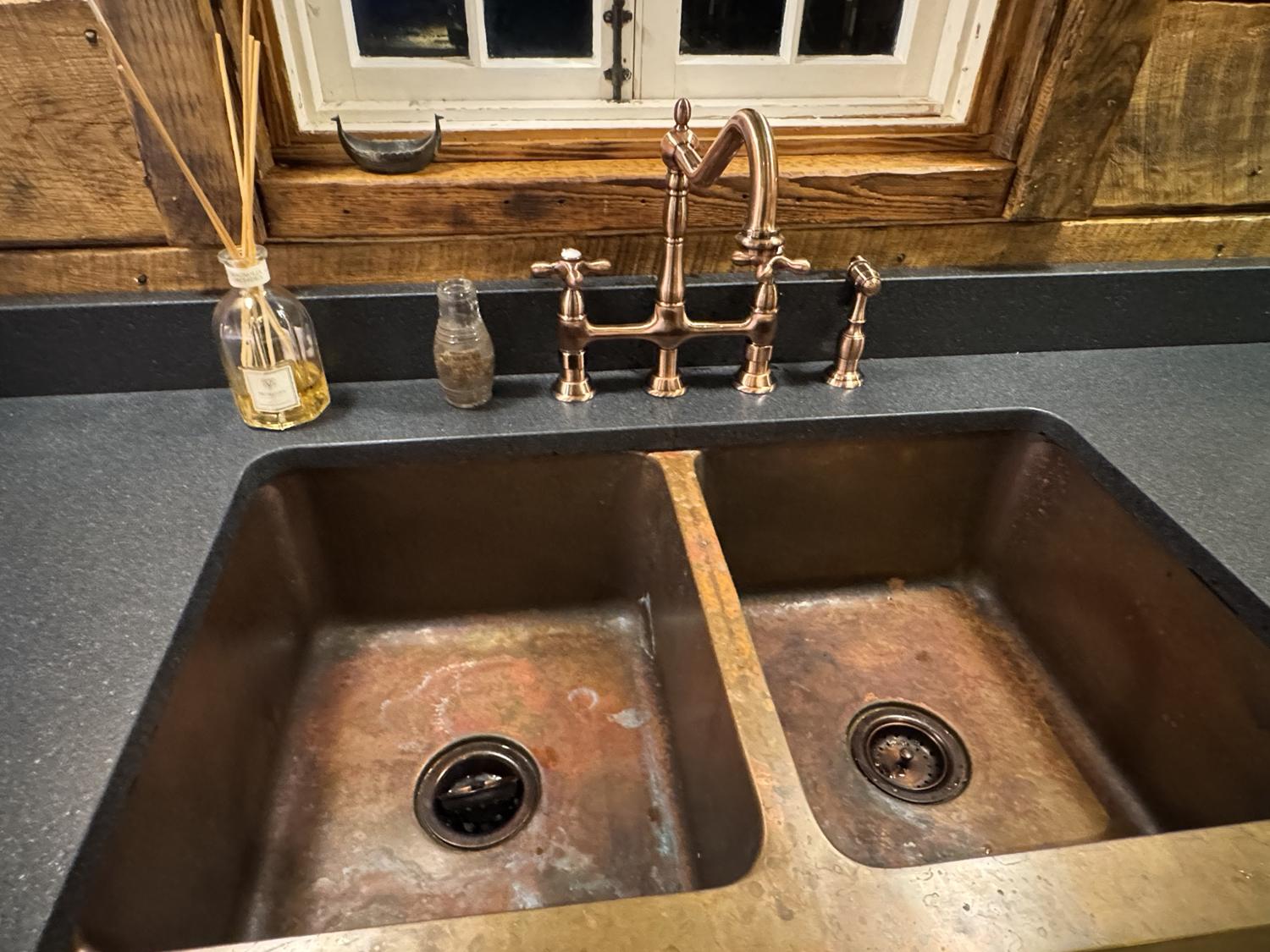
Downstairs, a sitting room waits with a glass-front bookcase of Civil War volumes and a writing desk by the window, set with a pair of binoculars. In the kitchen there is a copper sink and an old-fashioned range. The comforts of today are kept quiet and out of the way.

  • Heating and cooling
  • Glass-walled shower
  • Copper kitchen sink
  • Vintage range
  • Front and back porches
  • Stone cellar
The bedroom with a quilt reading Spindle House 1804, pine floors and a rug

Local guide


A quiet crossroads village on US 211, halfway between Warrenton and the Town of Washington, with Shenandoah National Park to the west and a great many battlefields within a day’s drive.

Civil War

  • Battle MountainAbout five miles southwest. Custer fell back from here to camp.
  • Corbin’s CrossroadsAbout three-quarters of a mile south of the village.
  • Culpeper Battlefields State ParkBrandy Station and Cedar Mountain.
  • Fredericksburg and ChancellorsvilleNational Park Service battlefields.

Outdoors

  • Shenandoah National ParkThe Thornton Gap entrance is on US 211 toward Luray.
  • Old Rag MountainA permit is required. Check recreation.gov before you go.
  • Skyline DriveBest in the fall.

Food and wine

  • The Inn at Little WashingtonReservations required.
  • Wineries near Washington and SperryvilleHours change, so check before you drive.
  • Luray CavernsOpen daily.

Opening soon


The lamps are being trimmed and the beds made up. The Spindle House opens to its first guests soon, and the whole house will be yours for the night.